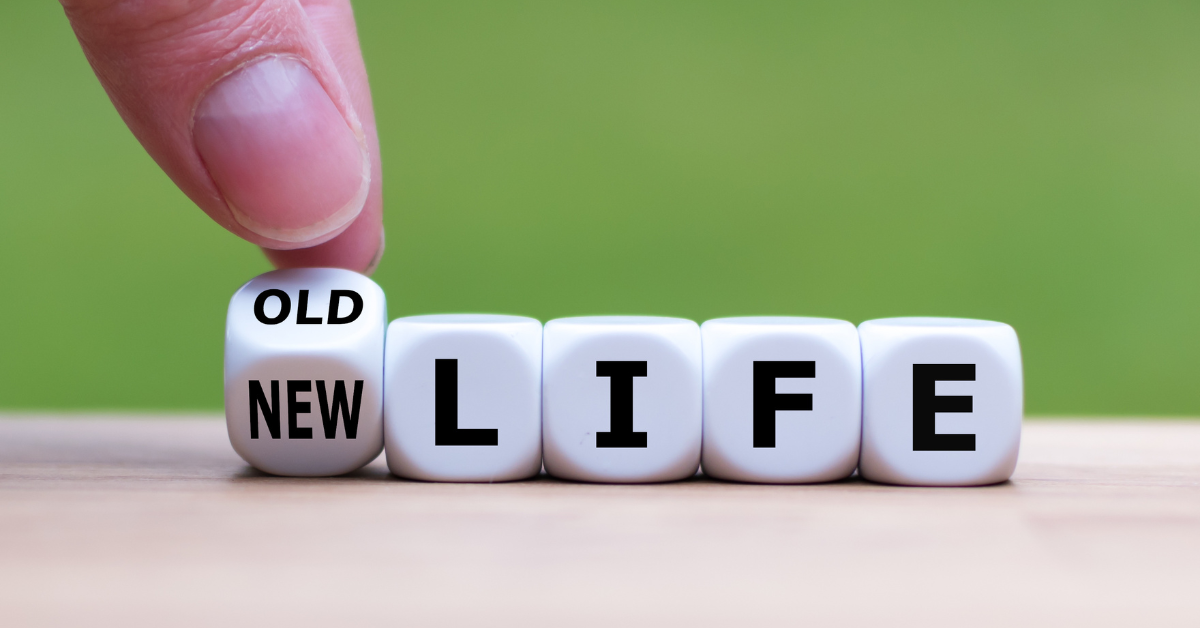
Losing a job, experiencing disability, or going through a major life shift can create a deep sense of disconnection from who you once were. You might find yourself asking, “Who am I now?”, not because you’ve changed entirely, but because so much around you has.
This type of identity crisis is common when we lose the roles, routines, or abilities we once used to define ourselves. It can feel like you’re living in someone else’s life, or like your reflection no longer feels familiar.
But identity isn’t fixed. It can be rebuilt with clarity, intention, and compassion. Below is a structured guide to help you move through the process of rediscovering yourself—even in the aftermath of unexpected life changes.
Step 1: Acknowledge the Loss
Before you can reclaim your identity, you must first make space for grief. When your life changes significantly—whether due to illness, disability, job loss, or personal trauma—it’s not just your circumstances that shift. It’s your sense of self.
Acknowledge that:
- You may no longer be able to engage in the same work, hobbies, or relationships in the way you once did.
- These changes can feel like losing a part of yourself.
- It is okay to grieve what was, and it is okay to miss it.
Self-compassion is essential here. This step is not about fixing anything—it’s about honoring your pain, without judgment. Journal your feelings. Talk to a trusted friend or therapist. Give yourself permission to mourn your past identity before you begin building something new.
Why it matters: Avoiding the emotional impact of identity loss can delay healing. Processing the loss helps you move forward with honesty and strength.
Step 2: Reconnect with Core Values
Once you’ve made room for grief, the next step is to rediscover the values that have always guided your behavior, regardless of your job title, physical ability, or relationship status. These values are often the thread that ties your past self to who you are becoming.
Try this:
- List five to seven core values that matter deeply to you. If you’re unsure, look up a list of personal values for inspiration (examples include integrity, creativity, independence, connection, service, adaptability).
- Reflect on times in your life when you felt most aligned with these values. What were you doing? How were you contributing?
- Then ask: What would it look like to live by these values today, in this new chapter?
Why it matters: Values are stable even when everything else changes. Reconnecting with them gives you a sense of direction and helps rebuild a meaningful, value-based identity.
Step 3: Explore Your Strengths
We often think our identity comes from what we do. But in truth, our identity is more deeply connected to how we show up in the world—our temperament, talents, and innate abilities.
To better understand who you are now, take time to explore your personal strengths:
- Use assessments like CliftonStrengths, VIA Character Strengths, or the Myers-Briggs Type Indicator to identify your natural gifts.
- Ask trusted friends or loved ones: “What are the strengths you see in me?” Their answers may surprise and affirm you.
- Reflect on your day-to-day: When do you feel capable, energized, or confident? What kinds of challenges are you drawn to solve?
As your physical abilities or roles shift, your strengths may express themselves in new ways. A former teacher may now lead workshops online. A former athlete may channel discipline into advocacy or writing.
Why it matters: Your strengths are not defined by a job or body. They are traits that live in you, and rediscovering them can reignite your confidence and purpose.
Step 4: Try Something New in a Low-Stakes Way
One of the best ways to rediscover who you are is by stepping into new experiences that allow you to explore without pressure. After a life change, your interests or abilities may shift, and it’s important to give yourself the freedom to experiment.
Start small:
- Take a free online class in something you’ve always been curious about.
- Pick up a hobby that doesn’t require performance—painting, journaling, gardening, voice recording.
- Join a support group, book club, or online community centered around shared interests or experiences.
The goal is not to be perfect—it’s to observe how you feel when you try something new. What energizes you? What feels authentic? What drains you?
Why it matters: Exploration without expectation can help you uncover parts of yourself that haven’t been visible in a long time. This is an important part of self-discovery.
Step 5: Create a Personal Identity Statement
As you gather insights from your values, strengths, and new experiences, it helps to articulate who you are becoming. A personal identity statement is a grounding reminder of your truth, even when things feel uncertain.
Use this structure:
I am someone who values [insert value or two] and brings [insert strengths] to the world.
I express this through [actions, relationships, or goals], and it helps me support my well-being and sense of purpose.
You can update this statement over time. It is not a definition—it’s a reflection.
Why it matters: Naming your identity out loud (or in writing) makes it easier to live it. It gives you a reference point for decision-making, boundaries, and self-understanding.
Step 6: Build Routines That Support the New You
Identity is not only shaped by how we see ourselves, but also by how we spend our time. Consistent routines aligned with your values and strengths help reinforce your evolving identity.
Consider building:
- A self-care practice that supports your mental and physical health
- A weekly ritual for creativity, learning, or reflection
- Intentional time to connect with others or give back to your community
- Clear boundaries around time, energy, and accessibility that support your wellness
You don’t need to overhaul your whole life. Even small routines can be powerful when practiced consistently.
Why it matters: Routines reinforce identity. They say, “This is what matters to me” and “This is who I am becoming.
Step 7: Be Patient and Kind to Yourself
Rediscovering your identity is not a linear process. There will be days of clarity and days of confusion. You may return to old patterns or feel unsure of your progress. That’s okay.
Support yourself by:
- Practicing self-care that soothes your nervous system
- Surrounding yourself with people who reflect your growth, not your limitations
- Avoiding constant comparison, especially on platforms like LinkedIn or Amazon-style hustle culture
- Celebrating small wins and giving yourself credit for showing up
Why it matters: Your relationship with yourself is the foundation for every other part of your life. Treating yourself with patience builds resilience and self-esteem over time.
Rediscovering Ourselves is Ongoing
You may not be who you once were, but you are not broken or lost. You are becoming. And within that process is a deep and powerful opportunity to build a life that honors who you truly are.
Your identity is not something you have to find all at once. It’s something you uncover, piece by piece, as you make choices that align with your values, strengths, and truth.
You deserve to feel whole again. And you already have what you need to begin.