When I was first navigating my way out of the classroom and into entrepreneurship, I was still learning how to walk again—literally. I had spent months in rehabilitation, fighting to reclaim small freedoms most people take for granted. And at the same time, I was also learning to redefine what it meant to be productive. Spoiler: it had nothing to do with getting more things done in less time.
Most of us are trained to think about productivity in economic terms—labor productivity, gross domestic product, GDP, total factor productivity, and the almighty amount of output per hour worked. Economists, policymakers, and employers use these metrics to measure economic performance and make decisions about automation, workflow, and even prices. But for disabled entrepreneurs, this view of productivity doesn’t fit. It can’t. Because our capacity—our ability to show up, create, and contribute—often changes from day to day, flare to flare.
And that doesn’t mean we’re not productive. It means we measure it differently.
Capacity Planning: Start with Your Health, Not a To-Do List
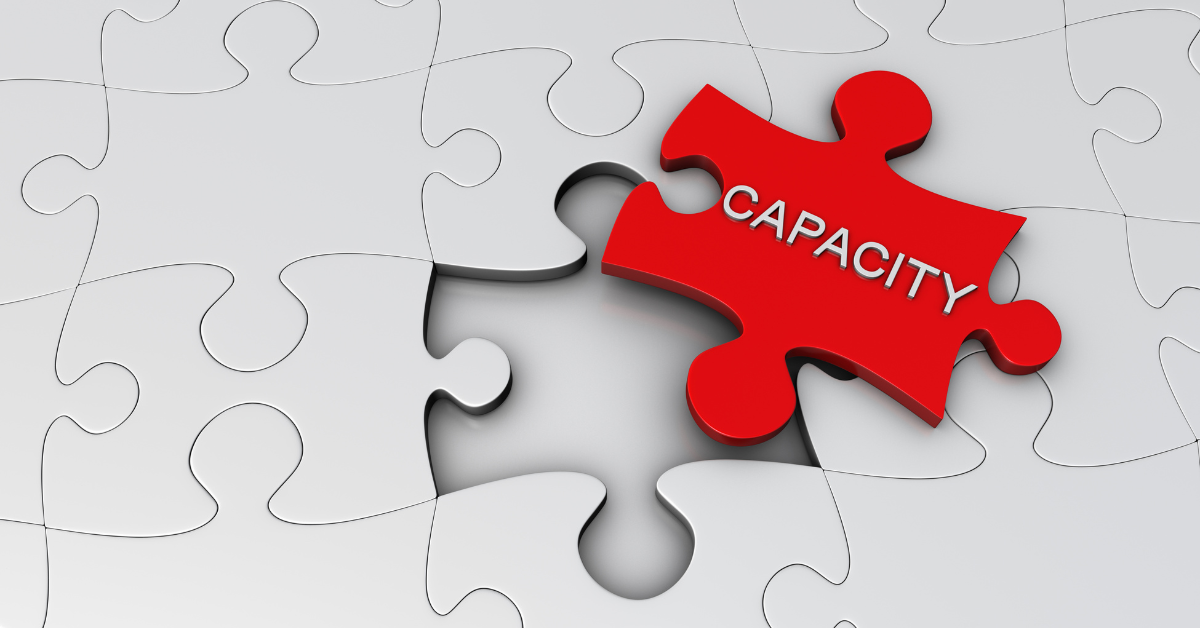
One of the biggest mindset shifts I had to make after my diagnosis was this: Time is not your only constraint—your energy, wellness, and medical needs matter more than your calendar.
Traditional productivity advice focuses on time management: use a to-do list, avoid procrastination, prioritize what matters, multitask less, and aim for high productivity. These tips are great if your capacity is stable. But for those of us living with chronic illness or physical disability, time isn’t the issue—capacity is.
You can block out three hours for client work, but if your IVIG infusion knocks you out for two days, that time means nothing. Learning to plan your life based on capacity, not just availability, changes everything.
Redefining Productivity Growth: The Disabled Entrepreneur’s Advantage
Here’s what I’ve come to believe: disabled entrepreneurs are leading a quiet revolution in how we define productivity. We understand workflow in a deeply personal way. We know how to build systems that honor our needs and our energy levels. We might take less time to do certain tasks—not because we’re rushing, but because we’ve learned how to optimize our workflow to match our capacity.
I started Connected Ghostwriting while recovering from a flare that had left me unable to walk. That first year, I focused on just two things: getting things done and preserving my wellness. I took online courses, used assistive tools, and built a business model that worked around me. Today, I’m successful because I learned to value my capacity as much as I valued my output.
That’s the power of personal productivity.
What the Bureau of Labor Statistics Doesn’t Measure (But We Should)
The Bureau of Labor Statistics reports on capital productivity, labor productivity, and multifactor productivity. But none of those statistics measure the invisible labor of disabled entrepreneurs managing health, caregiving, and running businesses that literally save their lives.
There is no line item in GDP for “prioritized IVIG infusions and still got a website launched.” No growth rate calculated for “built an online tutoring business in between flare-ups.” But I see this productivity every day in our Journey 2 Success community. People rebuilding their lives, creating income, and increasing their standard of living—on their terms.
They don’t need lectures on procrastination. They need access, support, and systems that respect their reality.
The New Productivity: Capacity-Conscious Business Building
So here’s my invitation to you: stop measuring your worth by the traditional metrics of economic growth or hours worked. Stop trying to match the productivity levels of someone with entirely different physical capacity.
Instead, build a business that boosts your productivity on your own terms. That might mean choosing a virtual assistant path over something more physically demanding. It might mean investing in automation, capital productivity tools, or learning to streamline your production process.
And it always means giving yourself permission to rest.
At Journey 2 Success, we help disabled entrepreneurs create businesses that honor their capacity, support their health, and allow them to contribute meaningfully—without burning out. We know that wellness isn’t a reward for productivity. It’s a prerequisite.
Let’s Measure What Really Matters
Whether you’re just starting out, refining your business model, or adjusting to new health challenges, remember: productivity doesn’t mean doing more. It means doing what matters in a way that sustains your life and your health.
Let’s stop asking, “How much did you do this week?”
Let’s start asking, “Did your business support your wellness this week?”
Because that’s the real measure of success.
Want to build your own capacity-centered business? Download our free accessible business plan template at Journey 2 Success and join a community that gets it.